HORNBILL FESTIVAL With HikerWolf

7 Days 6 Nights

Overview

The Hornbill Festival of Nagaland

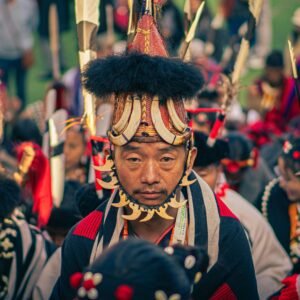
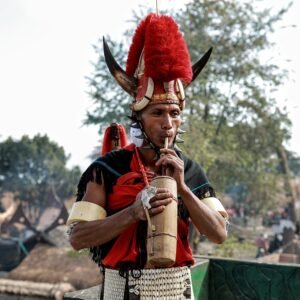
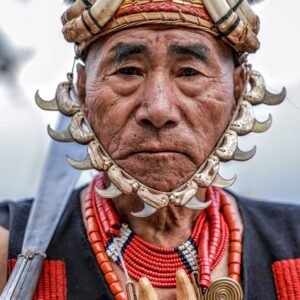
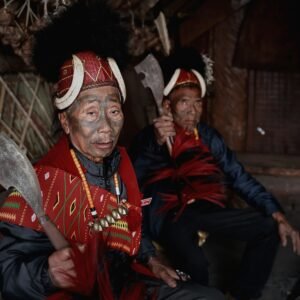
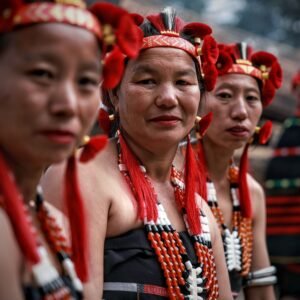
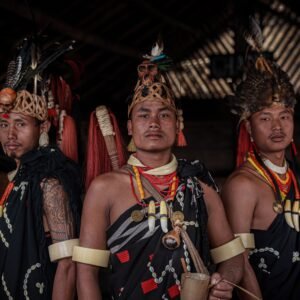
The Hornbill Festival is Nagaland's flagship cultural festival, held every year from 1 to 10 December at Kisama Heritage Village, about 12 km south of Kohima. Launched by the Government of Nagaland in 2000 to encourage inter-tribal interaction and promote Naga cultural heritage, it is popularly called the "Festival of Festivals" and named after the Indian hornbill — a bird revered across Naga folklore.

The Government of Nagaland's state profile lists 17 recognised tribes — Angami, Ao, Chakhesang, Chang, Kachari, Khiamniungan, Konyak, Kuki, Lotha, Phom, Pochury, Rengma, Sangtam, Sumi, Tikhir, Yimkhiung and Zeliang. The festival brings together cultural troupes and communities from across Nagaland; the exact participating contingents and daily performances are confirmed through the official annual programme. Tribes taking part set up their own morung (traditional wooden hut), perform warrior dances and folk songs, cook their cuisine and showcase weaves, crafts and rice beer. Past editions have also featured indigenous games, Naga wrestling, chilli-eating contests, a night carnival in Kohima and evening music programmes at venues in and around Kohima.

It's loud, colourful and deeply rooted — less a show, more a gathering. By day two, you're usually being pulled into a dance circle by someone you met an hour ago.
table

Trip Highlights

  • Hornbill Festival – Spend two days at the Naga Heritage Village, experiencing the colours, traditions, performances, cuisine, crafts, and celebrations that make the Hornbill Festival one of India's most celebrated cultural events.
  • Dzükou Valley – Trek through one of Northeast India's most spectacular high-altitude landscapes, known for its rolling grasslands, seasonal wildflowers, and panoramic mountain views.
  • Khonoma Village – Explore India's first recognised green village and learn about its remarkable transition from a warrior settlement to a model of community-led conservation.
  • Kigwema Village – Experience the warmth of Naga hospitality while gaining an insight into local traditions, architecture, and everyday village life.
  • Kohima – Discover the capital of Nagaland through its markets, cafés, local cuisine, and the stories that continue to shape the city.
  • World War II Heritage – Visit important sites connected to the Battle of Kohima, one of the most significant campaigns fought on Indian soil during the Second World War.
  • Local Cuisine – Sample regional flavours and home-cooked meals that reflect the diversity and culinary traditions of Nagaland.

Available Deaparture Dates

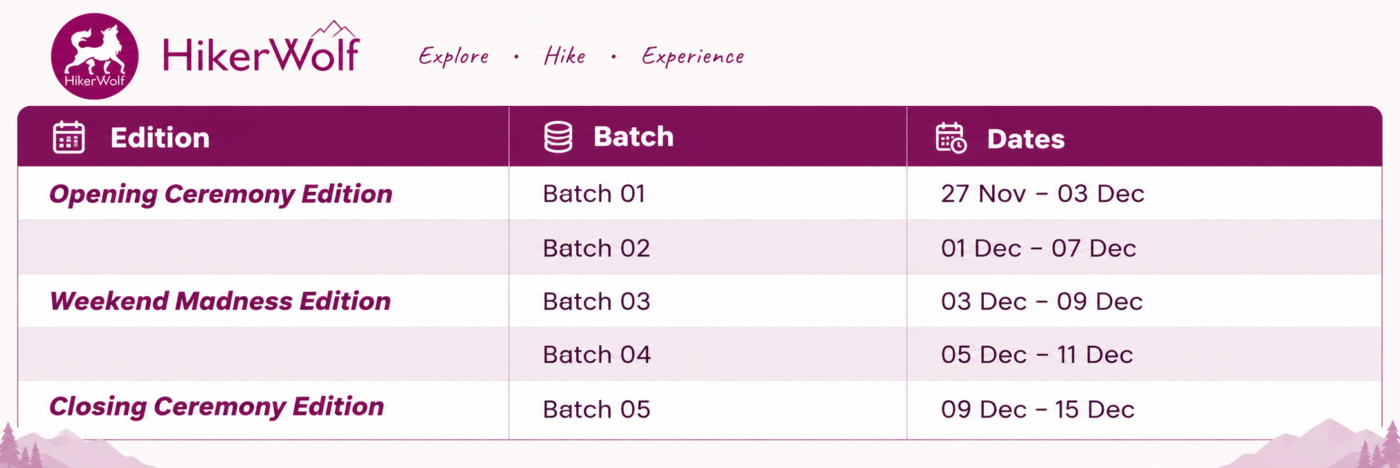
  • Friday November 27, 2026
    Thursday December 3, 2026
  • Tuesday December 1, 2026
    Monday December 7, 2026
  • Thursday December 3, 2026
    Wednesday December 9, 2026
  • Saturday December 5, 2026
    Friday December 11, 2026
  • Wednesday December 9, 2026
    Tuesday December 15, 2026
See all departures at HORNBILL FESTIVAL With HikerWolf

Trip Cost

Dimapur to Dimapur : ₹39,999/-

Book your seat now for ₹20,000/- and pay the remaining 25 days before the trip date!

Arrival & Departure Information

Arrival (Day 01)
  • Reporting Point: Dimapur Railway Station (DMV) / Dimapur Airport (DMU)
  • Reporting Time: 01:00 PM
  • Guests are requested to arrive at or before the reporting time to ensure a seamless group departure. Late arrivals may require private transfer arrangements at an additional cost.
Departure (Day 07)
  • Departure Point: Depending on the batch, the final departure transfer may originate from Kisama, Kohima, or Kigwema. Travel time to Dimapur varies by only 15–20 minutes across these three points, and sufficient buffer is built into each itinerary to ensure travellers can comfortably make a 2:00 PM or later flight or train.
  • Scheduled Return Journey: 08:00 AM
  • Travellers are advised to book onward flights or trains after 2:00 PM to allow sufficient buffer for road travel and any unforeseen delays.
Operational Notes
  • Arrival and departure timings are fixed to ensure smooth group coordination and efficient tour operations.
  • Early arrivals or late departures outside scheduled timings may require an additional night's stay or private transfer arrangements at an additional cost.
  • If a client's flight or train to Dimapur is delayed beyond the reporting time, please notify our operations team immediately — a private transfer to re-join the group can usually be arranged.

Itinerary

  • Day
    01

    Welcome to Nagaland: The Journey Before the Festival

    Our vehicle departs from Dimapur Railway Station at 1:00 PM, before picking up arriving travellers from Dimapur Airport.

    You stop for lunch along the way, pass roadside stalls of stacked pineapples, and of course, pause for a photo at the “Welcome to the Hills of Nagaland” gate before continuing into the hills.

    The drive to Kohima is a gradual introduction to Nagaland. As you climb higher, the air gets noticeably cooler, and the landscape begins to open up. Just before the city, you get your first glimpse of Kohima from the approach road — a panorama of hills and homes tucked into them, and the sense that you are finally arriving.

    Once you reach Kohima, check into your accommodation and settle in. The evening is free. You can step out for a slow walk, sit at a café, explore a few local shops, or visit local markets. It’s a simple way to ease into the rhythm of the hills after the drive.

    Tomorrow, the itinerary begins in full.

    Things to Keep in Mind:

    • Arrive in Dimapur before 1:00 PM.
    • Keep a warm layer handy — temperatures drop quickly after sunset.
    • Mobile payments are widely accepted, but carrying a little cash is always useful.
    • Return to your accommodation on time for dinner.
    • Get a good night's rest — you'll be walking a lot over the coming week.

  • Day
    02

    Walking Through History: Exploring Khonoma Village

    After breakfast, drive to Khonoma, India's first Green Village, with a brief stop at Khonoma Kharu, the village's traditional entrance.

    Meet your local guide and explore Khonoma's stone pathways, historic landmarks, and traditional neighbourhoods while learning about its history, headhunting traditions, colonial resistance, and remarkable conservation journey. Along the way, spot the old village gates, community library, self-payment shops, and the beautiful St. John the Evangelist Church. Netflix fans may even recognise locations from The Family Man 2.

    Enjoy a leisurely snack or lunch at a village café before returning to Kohima.

    The evening is free to revisit downtown Kohima, enjoy a café, or do some last-minute shopping for the adventure in the days to come.

    Things to Keep in Mind:

    • Expect several hours of walking.
    • Please ask before photographing people or entering private spaces.
    • Keep some cash handy for cafés and local purchases.
    • Carry comfortable walking shoes and a light jacket.
    • Wear sunscreen, sunglasses and a hat.

  • Day
    03

    Beyond the Crowds: Journey to Kigwema Village

    After breakfast, leave the city behind and make your way to the beautiful village of Kigwema.

    Once you've settled into your homestay and enjoyed lunch, join your guide for a walk through the village. Along the way, learn about local life, traditional architecture, agriculture, community traditions, and the stories that continue to shape this historic Angami village. You'll also gain insight into Kigwema's important role during the Battle of Kohima, one of the most significant campaigns of World War II fought on Indian soil.

    Keep an eye out for traditional homes, village viewpoints, and the everyday moments that often reveal more about a place than its monuments ever could.

    The evening is intentionally relaxed. Grab a coffee at a local café, wander through the village, or simply slow down and enjoy the quieter side of Nagaland.

    Things to Keep in Mind:

    • Today is designed to be slower after two busy festival days.
    • Carry a light jacket for the evening.
    • Good walking shoes remain essential.

  • Day
    04

    Into the Wild: Trekking the Dzükou Valley

    We start early, so fuel up with a good breakfast, preferably something rich in protein, as you'll need the energy later in the day.

    Hereafter, drive to Viswema, the starting point for the trek. A short off-road ride takes us to the trailhead before we begin the climb into the spectacular Dzükou Valley, often regarded as one of the most beautiful high-altitude valleys in Northeast India.

    The initial ascent is undoubtedly the most demanding part of the day. Still, once you're over it, the trail opens into rolling grasslands, mountain ridges, seasonal streams, and the sweeping landscapes that have made Dzükou famous. There is no rush here. Walk at your own pace, stop often, take photographs, enjoy the views, and appreciate just how remote this place feels.

    Spend time exploring the valley, enjoying lunch, and soaking in the scenery before beginning the return journey to Kigwema later in the afternoon.

    A hot dinner and a comfortable bed await.

    Things to Keep in Mind:

    • The trek requires a moderate level of fitness.
    • Carry a power bank, water bottle, a light rain jacket, and UV protection.
    • Mobile network coverage is limited or unavailable for most of the day.
    • Travellers may choose to skip the trek and spend the day in Kigwema.

  • Day
    05

    The Festival Begins at Kisama

    Start early after breakfast at your homestay in Kigwema and check out for Kisama, the Naga Heritage Village. If needed, you can split your luggage and leave one bag at Kigwema — it will be tagged, managed, and returned on your way back to Dimapur.

    On arrival, check into your campsite, drop your bags, and head straight into the festival grounds. Before we let you loose, our guide will introduce you to the festival grounds, programme highlights, and a few useful tips to help you make the most of your visit.

    Today includes the iconic Hornbill opening ceremony — a vibrant start with performances and the coming together of all tribes on one stage. Spend the rest of the day exploring morungs, cultural displays, performances, and food stalls at an easy pace.

    By evening, return to camp. The common area comes alive with an informal jam session, conversations, and music as the first day winds down.

    Things to Keep in Mind:

    • Carry only what you'll need for the next two days at the campsite.
    • Expect some walking between the campsite and festival grounds.
    • Nights can get cold. Keep a jacket handy.
    • The campsite is approximately 800 metres from the vehicle drop-off point and involves a gradual uphill walk.
    • Carry cash — digital payments may be slow.

  • Day
    06

    The Festival at Full Rhytm

    With the opening rush settled, Kisama opens up in a slower rhythm, giving you space to explore before the next wave of crowd builds.

    Spend the day moving through the morungs, each offering a glimpse into different tribal stories, crafts, and traditions. Catch cultural performances across the grounds, try local food, and revisit corners you may have missed. It’s also a good day for unhurried conversations with artisans, performers, and fellow travellers.

    By evening, return to the campsite, not too late, giving time to unwind and catch up with friends before departure to Dimapur tomorrow.

    Things to Keep in Mind:

    • Carry some cash.
    • Spend time inside morungs and talk to locals.
    • Wear comfortable walking shoes — expect long hours on foot.
    • Carry a water bottle, power bank, and a light daypack.
    • Dress in light layers — weather can shift through the day.
    • If you're sensitive to smoke or dust, carry a face mask.

  • Day
    07

    Departure: One Last Drive Through the Naga Hills

    After breakfast, bid farewell to the hills and begin the journey back to Dimapur.

    You will find the luggage that was left with us in your vehicle.

    The vehicle departs from Kisama at 08:00 AM, making its way towards Dimapur Airport and Railway Station. Along the way, there may be time for a final cup of tea, one last photograph, and perhaps a quiet moment to reflect on the week gone by.

    For some, this marks the end of the journey. For others, it may just be the beginning. If you'd like to extend your travels in Nagaland, elsewhere in the Northeast, Bhutan, or Nepal, we'd be happy to help with recommendations, logistics, and onward arrangements.

    Until the next adventure.

    Things to Keep in Mind:

    • Please plan onward flights and trains accordingly.
    • Keep important documents, valuables, and medications with you.
    • Allow extra time at the airport or railway station, especially during the holiday season.
    • Don't forget your Naga souvenir.

Download Itinerary

[wte_itinerary_downloader]

Cost Includes

  • Accommodation & Meals - As detailed in the Accommodation section (Page 8), including 02 nights in Kohima, 02 nights in Kigwema, and 02 nights at Kisama Heritage Village, with meals as specified.
  • All transfers and inter-destination travel
  • Guided heritage walk in Khonoma village
  • Guided village walk in Kigwema
  • Festival orientation at Kisama (Naga Heritage Village)
  • Dzükou Valley trek with licensed/local trekking guide and 4X4 vehicle support (as per terrain and accessibility conditions)
  • 01 organic traditional lunch during the tour (as per experience schedule)
  • For Indian citizens, assistance with Inner Line Permit (ILP) application and processing fee
  • For foreign citizens, assistance with Protected Area Permit (PAP) application. Processing fee not included
  • On-call and on-ground support throughout the tour duration
  • Dedicated attention and coordination from the HikerWolf operations team
  • Travel merchandise (per traveller/group as applicable)
  • Traditional Naga souvenir
  • Curated surprise experiences during the journey (as per operational feasibility)
  • Community-driven travel experience including interaction, storytelling, and cultural immersion
  • Facilitated group bonding and shared travel experience
  • Cultural immersion through local interactions
  • Focus on experiential travel, storytelling, and slow travel philosophy

Cost Excludes

  • Indian Visa fees for foreign nationals (a prerequisite for entry into India, separate from Nagaland-specific permits)
  • Protected Area Permit (PAP) fees for foreign nationals
  • Festival, concert, monument & attraction tickets (festival entry approx. ₹100–200 per day; weekend entry priced at the higher end approx. ₹200–400)
  • Camera fees (approx. ₹ 50-100, where applicable)
  • Flights and train tickets to and from Dimapur
  • Airport taxes & excess baggage
  • Any transport not mentioned in itinerary
  • Meals not listed in inclusions
  • All beverages, unless specified
  • Optional Activities - Any add-ons, excursions, or services not in the itinerary
  • Laundry, shopping, calls, minibar, room service
  • Tips, gratuities, porterage
  • Travel insurance
  • Medical treatment, evacuation, hospitalisation
  • Loss/damage of personal belongings
  • Damage caused by travellers to property or vehicles
  • Force Majeure - Delays or costs due to weather, landslides, strikes, political issues, or government changes
  • Anything not mentioned under "Inclusions"
  • Costs due to deviation from itinerary

Things To Carry

  • Identify proof (Original Compulsory)
  • Photocopy of your ID proof (Compulsory)
  • Backpack
  • Shoes and Slipper
  • Torch
  • Charger
  • Powerbanks for charging electronic devices
  • Cap, Goggles, Sunscreen, etc.
  • Pair of clothes as required (shorts, track pants or any comfortable clothing you wish for)
  • Personal medicines
  • Sanitary kit
  • Towel
  • Bluetooth speakers
  • Warm clothes
  • Warm shawl or blanket

Note

Do not carry any valuables. Please take care of it in case you are having the same. We will not be responsible if you lose them by any chance

Enquiry Form

[contact-form-7 id="8cdba61" title="HORNBILL"]

Frequently Asked Questions

None of the fixed batches work for my client's dates — what now?

We can run this exact itinerary as an Exclusive Batch on dates that suit them, at whatever group size applies — solo, couple, or a full private group.

Is this trip safe for solo female travellers?

Yes. Solo travellers are paired with a same-gender roommate as standard, and our operations team and local guides remain on-call throughout. Many of our past groups have included solo female travellers.

What if a client's flight to Dimapur is delayed or missed?

Notify our operations team immediately. A private transfer to re-join the group can usually be arranged at the client's cost, though same-day timing cannot be guaranteed. This is why we recommend arriving a day early where possible.

Can dietary restrictions be accommodated?

Vegetarian meals can be arranged with advance notice, though variety may be limited in remote villages and camps. Please flag all dietary needs at the time of booking, not after.

What happens if the weather disrupts the itinerary?

The itinerary may be adjusted for weather, road conditions, or safety reasons, always in the best interest of the group. This is covered under Force Majeure in our Exclusions and does not entitle a refund for missed segments.

What's the difference between FIT, GIT, and a Custom Departure?

FIT (Free Independent Traveller) is a private itinerary for an individual or small party on their own schedule. GIT (Group Inclusive Tour) is a private group itinerary for a group you've assembled. Both are run outside our fixed batches.

Is there a minimum group size for a Custom Departure?

Private departures can be arranged for solo travellers upward; exclusive group departures are typically run for 6 or 12 pax. Contact us to discuss group size and a custom quotation.

What if a client cancels after booking?

Our standard cancellation and refund policy applies, based on how far in advance the cancellation is made.