
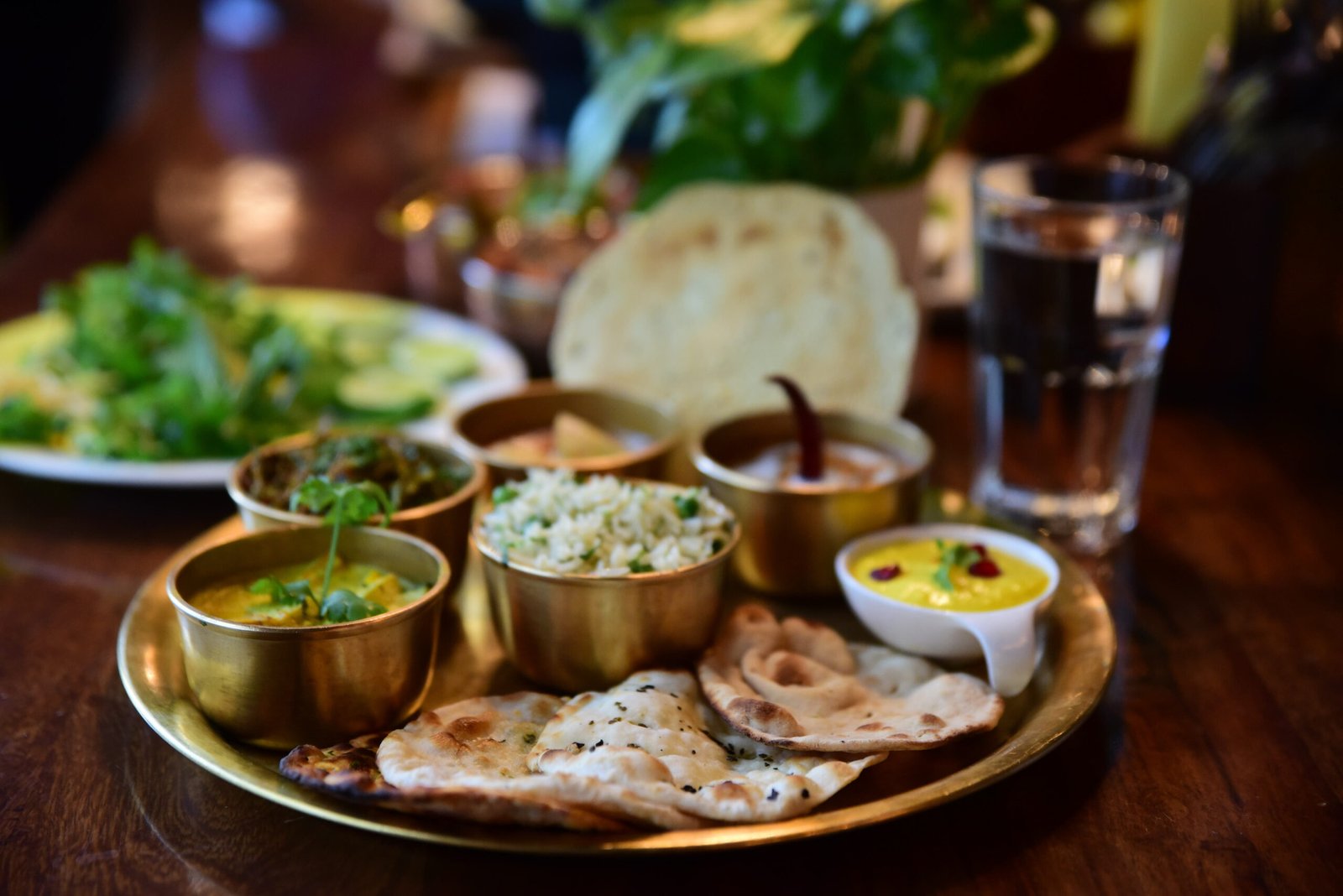
Winter in India is more than just a change in weather; it is a season of cuisines, festivals, and traditions that are enjoyed throughout the country.
As the weather cools, kitchens warm up with slow-cooked dishes, streets fill with seasonal goodies, and cultural events bring people together. Traveling in winter allows you to experience India at its most comfortable and bright.
From snowy mountains to sunny shores, each region has its unique winter food culture, influenced by environment, history, and local life. If you’re considering a winter journey across India, here’s a guide to the food and culture you should see along the road.
North India: Hearty Meals & Winter Warmth
Kashmir – Comfort Food in the Snow
Winter in Kashmir is harsh, and the food reflects it: rich, comforting, and highly tasty. Rogan Josh, Yakhni, and Gushtaba are among the traditional Wazwan meals, which are slow-cooked to retain heat and taste. Locals drink Kahwa, a saffron-infused green tea, to remain warm on cold days.
Winter, culturally, brings a slower pace of life. Families gather indoors to share meals and enjoy the peacefulness of snow-covered surroundings. Experiencing Kashmiri food in the winter feels like being invited into someone’s house.
Himachal Pradesh – Simple Food, Deep Traditions
In areas like Manali, Kasol, and Spiti, winter meals are primarily about nutrition. Siddu, or steamed wheat bread packed with ingredients, is a local delicacy. Thukpa and momos provide warmth on cold evenings.
Winter culture here is simple and solid. Life slows down, monasteries stay open, and long evenings are spent around fireplaces. Food is more than just sustenance; it also provides survival and comfort.
Rajasthan & Gujarat: Culture Served with Color
Rajasthan – Royal Flavors for Cold Nights
Rajasthani winter cuisine is strong and delicious. Dal Baati Churma, Gatte ki Sabzi, and Laal Maas are prepared with plenty of ghee and spices to offer warmth. Winter is also the season for festivals, folk music, and outdoor markets.
Culturally, this is the finest time to visit forts, castles, and heritage villages without feeling the desert heat. The evenings are full of cultural events, storytelling, and communal dinners.
Rann of Kutch – Where Food Meets Folk Culture
Winter turns the Rann of Kutch into a cultural celebration. The cuisine focuses on local dishes such as Bajra rotla, Kutchi dabeli, and traditional curries. Food here is basic, seasonal, and based on locally sourced grains.
Winter brings the best cultural events, including artisan markets, traditional dances, and music performances. Sharing a lunch outside while listening to local music is a unique experience in this region.
Central India: Sacred Flavors & Seasonal Traditions
Mathura & Vrindavan – Devotion on a Plate
Winter in Mathura and Vrindavan delivers comfort meals that are firmly rooted in devotion. Makhan-mishri, kachori-sabzi, and warm milk-based desserts are popular. Food is frequently provided as prasad, which imparts spiritual value to each meal.
Culturally, winter is perfect for temple visits, morning aartis, and nighttime stroll along narrow lanes lined with chants and lanterns. Food is presented, shared, and respected here rather than simply eaten.
Western India: Coastal Comfort & Urban Winter Life
Mumbai, Alibaug & Karjat – Light Food, Relaxed Culture
Winters in western coastal regions are comfortable and the cuisine reflects this. Alibaug and Karjat offer modest coastal cuisine fresh fish, rice, coconut-based gravies, and local veggies.
Street food culture thrives in the winter, with foods such as vada pav, bhajiyas, and hot chai drunk outside. Winter facilitates social gatherings, beach walks, and leisurely travel in the absence of humidity.
South India: Gentle Winters & Soulful Cuisine
Gokarna & Coastal Karnataka – Food with Spiritual Calm
Winter in coastal Karnataka is ideal for discovering both cuisine and culture. Meals include neer dosa, fish curry, and light, tasty coconut-based foods.
Gokarna’s culture combines spirituality and beach life. Temple visits in the morning, beach walks in the evening, and simple seaside lunches in between define the quiet rhythm that defines winter vacation here.
Eastern India: Seasonal Sweets & Community Culture
Bengal & Odisha – Winter’s Sweet Side
Winter is a pleasant season in eastern India. Nolen gur sweets, pithas, and rice-based treats are popular in both homes and markets. Fish remains central, cooked in mild curries and mustard gravies.
Culturally, winter brings harvest festivals and community gatherings. Food is widely distributed, and marketplaces come alive with seasonal vegetables.
What Makes Winter Food Special in India?
Seasonal ingredients include millet, jaggery, and root vegetables.
Slow cooking techniques that boost taste and warmth.
Community dining, festivals, and shared meals.
Climate-based cuisine is designed for comfort and nourishment.
Winter food in India is not about trends, but about tradition, care, and connection.
Tips for Experiencing Food & Culture While Traveling
Eat local and seasonal whenever possible
Try home-style meals, not just restaurant food
Attend local festivals and markets
Talk to locals about what they eat in winter
Take your time, winter travel is about slowing down
Wrapping It Up
Traveling through India in the winter allows you to see the nation through its most familiar lens: food and culture. Every region has its own way of welcoming the season, whether it’s with rich curries, toasty breads, sweet delicacies, or spiritual rituals.
Allow the cuisine to guide you as you journey from cold highlands to sunny coasts. Winter is more than simply a feeling in India; it is also eaten, shared, and remembered.
This winter, don’t only visit India. Taste the stories.